BLOG

Benefits of Cranial Osteopathy for Headache Treatment

1. Drug-Free Approach:

One of the primary advantages of a cranial osteopathic approach is that it is drug-free. Many headache sufferers prefer this approach as an alternative to medications, as it carries minimal risk of side effects or complications.

2. Holistic Assessment:

Cranial osteopathy takes a holistic approach to healthcare, addressing the root causes of your
headaches rather than merely treating the symptoms. Practitioners consider factors like lifestyle, posture, and stress which can contribute to your headaches. 

3. Individualised Treatment:

Each patient is unique, and cranial osteopathic practitioners tailor their treatments to meet the
specific needs of the individual. This personalised approach ensures that the treatment is both
safe and effective.

4. Prevention:

Cranial osteopathy can not only treat existing headaches but can also be used preventively. Regular sessions may help individuals prone to chronic headaches reduce the
frequency and intensity of their episodes by addressing stress and tension in tissues before they become a problem.

Conclusion

Cranial osteopathy is a holistic and patient-centered approach for treating headaches.  If you suffer from frequent headaches and are seeking an alternative to traditional medical treatments, it may be worth considering cranial osteopathy as an option.

A woman in her late fifties, first came to me with mild headaches and chronic tiredness. She had been referred to various clinics by her GP, and the consultants had been sympathetic but unable to pinpoint a cause. Facing a life with chronic pain was a wake-up call for her and with the support of her family she reduced her working hours, improved her diet and her sleeping patterns, and built a twenty-minute walk into her daily rhythm. Her symptoms began to ease. She approached me for a course of acupuncture which helped her to re-balance further and as treatment progressed her headaches diminished and finally resolved completely. She occasionally still comes for a preventative treatment every 3-4 months.

Chinese medicine has its roots in a deep and ancient tradition whose branches include Ancient Greek Hippocratic medicine, Indian Ayurvedic medicine, and the healing traditions of almost all cultures across the globe. In this country until at least the late 1600s physicians, trained in Hippocratic medicine, sought to stimulate optimal health in their patients using a system of medicine which has much in common with Chinese medicine. The focus, as in Chinese medicine, was on maintaining health and preventing disease through living a moderate life, rather than on treating the diseased body which had already succumbed to ill health.

The premise behind all holistic medical practise is that the body is a self-righting organism which, given the right conditions will thrive. We all know instinctively that a moderate, healthy, low-stress lifestyle keeps us out of GP surgeries and hospitals yet many of us continue to neglect our own wellbeing.

So the take home message is do not wait for a symptom or pain to become chronic and embedded into your life before you take action to improve your overall health. Acupuncturists treat people, not diseases, and getting treated in a timely manner not only improves quality of life right now,  but may help to prevent health problems down the line.

To make an appointment with Simon call the clinic on 01622 674656

We are delighted to be able to inform you that acupuncturist Simon Casciano, BSc (Hons) LicAc  will be joining The Bower Mount Clinic from Wednesday 7th September.

Simon is a colleague of our previous Classical Acupuncturist and works in the same way, having  studied at the same college. Simon will be able to see patients at the Clinic on Wednesdays from 8am-3.30pm. We very much look forward to welcoming him to our team. Please call us on 01622 674656 for an initial 45 minute appointment.

Winter can be a difficult period for many of us. Lack of sunlight causes depletion in our Vitamin D stores affecting our vitality and mental health. A portion of the population suffer with Seasonal Affective Disorder (SAD) which results in low mood and fatigue. Many of my patients use acupuncture to keep their bodies and minds in balance, often continuing treatment on a maintenance basis after their initial symptoms have been helped.

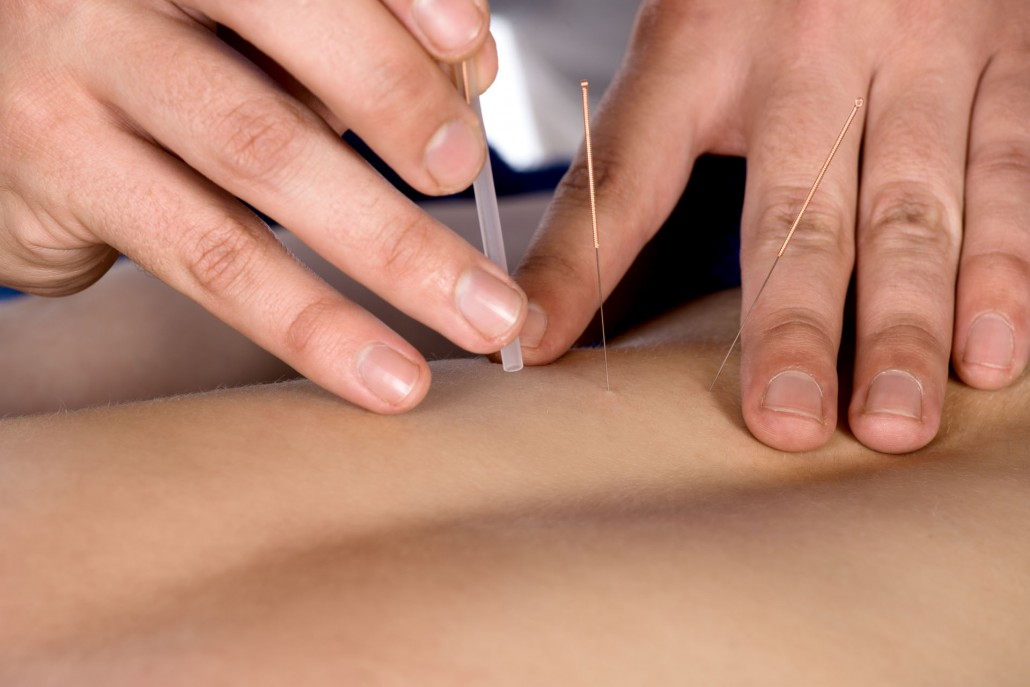
Acupuncture has been shown to elevate the brains ‘feel good’ chemicals- beta-endorphins – the lack of which are linked to many forms of depression and anxiety. Over 20 years of practice has repeatedly shown me how helpful this can be to my patients. Acupuncture works by the insertion of extremely fine needles into specific points on the body, this then allows the bodies own inherent healing mechanisms to take affect. Over 2000 years old, it is now recommended by the World Health Organisation and the NHS for a variety of ailments and conditions. Alongside a good diet, exercise and plenty of rest (winter is a time of hibernation) we can feel renewed again when we finally enter spring.

If you’d like any more information or would like to book an appointment with me please contact the clinic for an appointment.

The National Institute for Health and Care Excellence (NICE) has
published a new guideline for Chronic Pain.  Acupuncture is now
recommended ahead of traditional pharmaceutical interventions.
This guideline was driven by the urgent need to cut down
prescriptions of opioids and other painkillers.
NICE considered a number of treatments for Chronic pain  in creating this guideline
including opioid drugs, anti-inflammatory drugs, paracetamol,
benzodiazepines (Valium).  None of these were found to
have evidence of benefit for chronic pain and there are possible
harms associated with their use.

Acupuncture, however, was found to be
superior to both sham (a placebo acupuncture) and usual treatments and medications  for
pain according to the 32 high quality studies reviewed by NICE.
Some common conditions that NICE stated would benefit from acupuncture
include fibromyalgia, myofascial pain (i.e. in the muscles and
surrounding connective tissue), chronic neck pain and chronic
pelvic pain, as well as many others.
Around a third of the population may be affected by chronic pain;
many of those also have a diagnosis of depression, and it is a major
contributor to absence from work.
I very much welcome this scientific validation, which whole
heartedly supports my experience of treating chronic pain for over
20 years in clinic. Should you wish to discuss how acupuncture can
help improve your quality of life then please contact me at the
Bower Mount Clinic.    Craig Minto

We are delighted to be able to welcome back Judith, our Massage Therapist… Please book an appointment online or phone us.

We are delighted to announce that Craig Minto will be back at the Clinic from 8th July.

Please head to our appointments tab to book in for a follow up appointment. For new patients please call us as this first appointment takes a bit longer.

As all of us will be aware the Covid 19 virus mainly seems to be targeting the lungs and causing affected patients breathing difficulties. Keeping ourselves healthy is important at this time and we should be doing everything we can to support our immune systems. This means eating lots of fresh fruit and vegetables and taking  regular exercise. Even fast walking for 30 minutes daily is good and the aim should always be to try and get a little out of breath.

It also makes sense to try and increase the fitness of the main muscle responsible for getting us to take a breath! The muscle responsible for keeping us breathing is the diaphragm

The diaphragm is a large, dome-shaped muscle located at the base of the lungs. 

When this muscle contracts we breathy in and when it relaxes the air is pushed out of our lungs. Your abdominal muscles help move the diaphragm and give you more power to empty your lungs ( See diagram below)


So good diaphragmatic breathing is essential for keeping our lungs working to their full capacity something that is really important at this time. Like any muscle the diaphragm can be exercised to make it stronger and work more efficiently – bringing more air into our lungs.

What is diaphragmatic breathing?

Learning and practising good diaphragmatic breathing will help you use the diaphragm correctly to:

  • Strengthen the diaphragm
  • Decrease the work of breathing by slowing your breathing rate
  • Decrease oxygen demand
  • Use less effort and energy to breathe

Diaphragmatic breathing technique

Lie on your back on a flat surface or in bed, with your knees bent and your head supported. You can use a pillow under your knees to support your legs. Place one hand on your upper chest and the other just below your rib cage. This will allow you to feel your diaphragm move as you breathe.


Breathe in slowly through your nose so that your stomach moves out against your hand. The hand on your chest should remain as still as possible.


Tighten your stomach muscles, letting them fall inward as you exhale through pursed lips . (as if you’re about to drink through a straw) The hand on your upper chest must remain as still as possible.


When you first learn the diaphragmatic breathing technique, it may be easier for you to follow the instructions lying down, as shown above. As you gain more practice, you can try the diaphragmatic breathing technique while sitting in a chair, as described below.

To perform this exercise while sitting in a chair:

  1. Sit comfortably, with your knees bent and your shoulders, head and neck relaxed.
  2. Place one hand on your upper chest and the other just below your rib cage. This will allow you to feel your diaphragm move as you breathe.
  3. Breathe in slowly through your nose so that your stomach moves out against your hand. The hand on your chest should remain as still as possible.
  4. Tighten your stomach muscles, letting them fall inward as you exhale through pursed lips. The hand on your upper chest must remain as still as possible.

Note: You may notice an increased effort will be needed to use the diaphragm correctly. At first, you’ll probably get tired while doing this exercise. But keep at it, because with continued practice, diaphragmatic breathing will become easy and automatic.

How often should I practice this exercise?

At first, practice this exercise 5-10 minutes about 3-4 times per day. Gradually increase the amount of time you spend doing this exercise, and perhaps even increase the effort of the exercise by placing a book on your abdomen.


We are still open for the provision of Osteopathic treatment for those who are in pain and distress, but we do not have appointments for Acupuncture and Remedial Massage.   In light of the current Covid-19 outbreak we have implemented a number of important steps to ensure a safe environment at our clinic. Our priority is to provide safeguards for all our patients, practitioners and staff whilst continuing to provide treatment, support and continuity of care for all those in need. We are happy to support and advise patients by phone who have conditions that potentially make them vulnerable to infection so that they do not have to attend the clinic.

We are constantly monitoring the official guidance for Health Care Professionals from The Department of Health and Social Care and other agencies including Public Health England.

We are currently taking the following steps:

We are asking all patients who have a any signs of illness especially a sore throat, cough or flu-like symptoms or a loss of sense of taste or smell to stay away from the Clinic but to please call us if they have any questions or concerns – we are here to help.

On arrival at the clinic all patients, staff and visitors are being screened and we are taking everybody’s temperature using a non-contact thermal thermometer.

All persons entering the building are being required to sanitise their hands with sanitizer provided.

All treatment tables and pillows have disposable paper sheeting and are fitted with plastic covers which are sprayed down with anti-viral agents after each appointment. We have also increased the frequency and thoroughness of cleaning hard surfaces and door handles etc. with anti-viral wipes several times a day..

We are also introducing measures to enable increased “social distancing”. We are also asking that patients try where possible to avoid bringing friends or family to their appointment and that you do not arrive too early for your appointment.  You may wish to stay in your car and have us call you when your practitioner is ready for you – just let us know you have arrived.

In this way we are confident that all possible steps are being taken to protect you and enable you to continue to receive treatment and care.  This is anxious time for all so if you have concerns please know that we are here to help in any way we can. We have spent 40 years serving our local community and will continue to do so.

Whilst we continue to serve our community with osteopathic treatments, for the time being we regret that we are not able to offer Acupuncture or Remedial Massage. We apologise for any inconvenience cause and hope you will understand.


Many people coming to The Bower Mount Clinic are unsure if acupuncture from our highly acclaimed acupuncturist Craig Minto might be able to help with their particular health care problems. So here is an explanation that may help. Oriental acupuncture is a deceptively simple form of medical treatment (Chinese Medicine) involving the insertion of extremely fine needles into carefully located parts of the body. However, behind this apparently straightforward act sits a huge body of knowledge and philosophy, tried and tested over thousands of years and on millions of people.


Acupuncture is all about creating ‘balance’ in all the systems of the body. Human beings are hugely complex both physically and psychologically. We all need enough rest, play,work, love and laughter, at the right time and in the right amount to maintain our health. Any excess or deficiency leads to imbalance and eventually dis-ease. The holistic approach of Chinese Medicine allows the practitioner insight into the heart of the patient’s life and condition, taking into account all of the contributory factors that can result in illness. The aim is to awaken and assist the body’s own powerful and natural self-healing mechanisms .In this way acupuncture can help in a very wide ranging conditions and help improve ones feeling of well-being.

A ‘symptom’ is a sign of disharmony within the individual indicating that their body is out of balance. Every patient is different so the acupuncture diagnosis needs to look at and treat each individual and their unique imbalances and circumstances. Patients really appreciate the attention to detail and depth of analysis that an acupuncture consultation and treatment provides. It often gives them a clearer understanding of why their body is out of balance and what they can do in the future to prevent further problems. 

We all know that at times in our lives we just don’t feel ourselves, something that is often not detectable on the usual blood tests and scans. However, we do know what it feels like to feel ‘well’ and a course of acupuncture can often restore this sense of harmony and well-being.

If you have any specific questions with regards to your own health needs, and how acupuncture may be able to help you, please do not hesitate to get in touch.

Sadly the warm weather is slipping away, the days are drawing in and before you know it, you’ll be once more wrapped up in thick winter woollies. We all at The Bower Mount Clinic hope you managed to make the most of the summer, soaked up some vitamin D and kept yourself in good shape for the winter ahead.

One of the challenges our bodies face with colder weather is that the muscles, tendons and ligaments that move and support our spines tighten up as the temperature drops. Also if joints are already inflamed, a drop in barometric pressure or temperature can aggravate swelling and pain.   

Over the years we have seen that autumn is a time when many of our patients find that an “Osteopathic Service” helps to keep their spines and joints mobile and pain free for the coming winter months. If you begin to feel stiff in the mornings or when doing everyday activities consider having a check up and osteopathic treatment to help prepare your body for winter.

Autumn is also a time to consider doing more regular stretching exercises to help maintain flexibility.

One very simple exercise to help maintain flexibility in the lower back is the Knee-to-chest stretch.

  1. Lie on your back on the floor with your legs extended.
  2. Lift and bend your right leg, bringing the knee toward your chest. Grasp your knee or shin with your right hand, and pull your leg as far as it will comfortably go.
  3. Remain in the knee-to-chest position while tightening your abdominal muscles and pressing your spine into the floor. Hold for 5 seconds.
  4. Return slowly to your starting position.
  5. Do the same with your left leg.
  6. Do the same with both legs at once.
  7. Repeat the sequence several times.


Please note do not attempt any specific exercises without checking with your Doctor or osteopath especially if you are experiencing any current symptoms in your spine. Always stop any exercise if it gives you any pain or discomfort.


Acupuncture is an ancient treatment modality used for a wide range of physical and
mental/emotional conditions. By stimulating acupuncture points on the body one can
provoke a healing process in the body, including the release of pain killing chemicals
produced in the brain such as endorphins.

Osteoarthritis (OA) of the hip and knee are two very common presentations treated in The Bower Mount Clinic. Indeed 1 in 5 adults over 45 years old has OA of the knee joints and 1 in 9 OA of the Hip joints.

Naturally, as we age, ‘wear and tear’ affects the bodies joints. Conventional treatment
includes non steroidal anti inflammatory drugs, which although generally safe in the short
term can cause issues if used over a longer period; for example bleeding in the stomach.
Generally treatment with acupuncture for OA usually involves a short course of treatment, once a week for up to six sessions. In the majority of patients benefits will be experienced during this period including less pain, better mobility and a reduction in medication. At the end of this course patients often return for occasional maintenance treatments.

Research
Several systematic reviews of acupuncture for osteoarthritis of peripheral joints/knee and
hip/knee alone have concluded that it is statistically superior to usual physician care, Kwon 2007;White 2007; Manheimer 2007, 2010). The benefits of treatment can often be enhanced by an exercise programme. The expert consensus guidelines of the Osteoarthritis Research Society International (Zhang 2008, 2009), recognise that acupuncture has clinically relevant benefits and a favourable safety profile, and they recommend acupuncture as a treatment option for osteoarthritis. If you would like to see if acupuncture can help you with the pain and stiffness in your knees or hips contact The Bower Mount Clinic and arrange an appointment to see our highly experienced and respected acupuncturist Craig Minto.


The National Council for Osteopathic Research have published a summary of key Osteopathically relevant literature on the subject of Exercise therapy in the management of hip and knee Osteoarthritis (OA). OA is a very common condition affecting over 8.5 million people in the UK. In OA the cartilage in the joints starts to wear away and the muscles around the joint tighten resulting in pain often aggravated by activity.

Research shows that mobilisation of the joint and appropriate exercise or physical activity is beneficial in
all patient groups, irrespective of the severity of the condition and pain levels experienced. There is strong
evidence that exercise reduces OA pain and improves physical function.

What is more, benefits of keeping the joints moving and exercise persist for months even after activity has
ceased. There is also evidence that suggests exercise to help strengthen muscles around joints affected
by OA also helps reduce pain.

Osteopaths at The Bower Mount Clinic can not only advise you on what exercises might be helpful for your
pain but also help mobilise affected joints and set you on the path to greater pain free activities.

Spring is here early – which gives us all a welcome boost of warmer temperatures and sunshine. However, the change of season is seen as a challenge to the body and mind in Chinese philosophy. We mirror and reflect the cycles of life and when our system is balanced we are able to adjust with flexibility and fortitude during these times of change.

Contrary to the lovely optimistic feeling that spring can give us, I have seen a lot of patients in the last couple of weeks struggling with this change, be it coughs and colds, emotional discontent (the spring relates to irritability, frustration and anger in Chinese philosophy) or just not feeling themselves.

Here, acupuncture comes into its own, helping to regulate the changes in the natural rhythms our organism encounters during this period. I have many patients who come for a ‘maintenance’ treatment every 3 months around the times of the change of season for this very purpose.


1 In cold/freezing temperatures, assume all wet areas are icy.

2 Wear footwear that provides good traction underfoot.

3 Walk in designated walkways; ice and snow may be more prevalent on unused shortcuts.

4 It’s vital to keep your hands and arms free to help with balance . Do NOT walk along looking at your phone!

5 Concentrate on walking, don’t look around but watch where you are stepping and do not multi-task.

6 Move slowly, tilt forward, walk flat-footed (with feet pointing outward) and extend arms slightly away from body to help maintain balance.

If you are unlucky enough to take a tumble and you are still in pain when you get home consider applying an ice pack to the affected area. Yes the thought of it won’t appeal in these wintry months but it is the best way to prevent swelling.

If your back is injured and you feel stiff after a day or two consider calling The Bower Mount Clinic and we will be happy to advise.

A  recently published research paper examining the long term effect of acupuncture on chronic pain has been published in the highly prestigious journal PAIN.

The study addresses the uncertainty as to how long the effects of acupuncture treatment persist after a course of treatment.  The researchers determined the pain scores over time after acupuncture.  They used data collected across 29 trials and 17,922 patients from high-quality randomized trials of acupuncture for chronic pain.

Eligible chronic pain patients were those with nonspecific low back or neck pain, shoulder pain, chronic headache/migraine, or osteoarthritis of the knee.  

The analysis was split into two sections.  Firstly, 20 trials compared acupuncture to sham acupuncture and secondly, 18 trials compared acupuncture with no acupuncture, for example no treatment, wait-list, rescue medication, usual care, or protocol-guided care.  In most trials, the patients received 8 to 15 treatments over 10 to 12 weeks.   Patients who were allocated to a wait-list were offered treatment at the end of the trial period.

In the trials comparing acupuncture to no acupuncture the research shows that approximately 90% of the benefit of acupuncture relative to controls was sustained at 12 months.  

This data suggest that there are underlying changes occurring with Acupuncture which have lasting health benefits. So one can conclude that  Acupuncture is not about just providing temporary symptom relief but a course of acupuncture treatment for patients with chronic pain can provide effective long lasting pain relief.

This also means that acupuncture’s cost effectiveness will now look even more positive.

At The Bower Mount Clinic we are fortunate to have Craig Minto a highly experienced and much respected Acupuncturist. To make an appointment with Craig just call The Bower Mount Clinic on 01622 674656


We regularly treat pregnant women at The Bower Mount Clinic with a variety of symptoms ranging from low to mid back pain to pelvic girdle pain (including sacro-iliac and/or pubic symphysis dysfunction), rib pain, sciatica as well as the general discomfort of later pregnancy.  As the baby grows in the womb, the extra weight can mean pregnant women are more likely to be prone to lower back pain. As breast weight increases, a woman’s upper back may also give her cause for complaint. Many different and gentle  treatment techniques can be used including soft-tissue massage, joint articulation, muscle energy techniques and Cranial Osteopathic approaches. The summer months seem particularly busy as many babies are born at this time of year.

The National Council for Osteopathic for Osteopathic Research (NCOR) report discussed the Osteopathic management of patients during pregnancy.(see link below)   The key findings of the report were:

Symptoms

  • One of the most frequently cited symptoms of pregnancy seen by osteopaths is low back pain.
  • Other symptoms include heartburn (for which there is acknowledgement of benefits of osteopathic treatment but currently little evidence), carpal tunnel syndrome, sacroiliac pain, mid thoracic pain and gastrointestinal symptoms.

Osteopathic Studies

  • One study has found evidence that pregnant patients who received osteopathic care experienced improved outcomes in labour and delivery compared to those who didn’t.
  • Another study has shown that osteopathic manipulative technique may help to improve or stop the deterioration of back-specific functioning in the third trimester of pregnancy.
  • Non-supine positions during labour and delivery have been found to have clinical advantage

There are a number of other interesting points raised in the NCOR report. Click on the link to access it in full – https://www.ncor.org.uk/wp-content/uploads/2012/12/Osteopathy-and-Pregnancy.pdf

Many mothers who have benefited from osteopathic treatment at The Bower Mount Clinic bring their babies in for treatment too. Gentle cranial osteopathic treatment tailored to the babies needs seems to help soothe and relax babies – a benefit for both child and mother alike!


The joys of spring bring a glimpse of the longer, warmer days that lay just around the corner, along with a pervading sense of optimism and renewal in the air.

For many, however, the season brings the dread of hay fever (allergic rhinitis) and it’s associated misery of sneezing, red, itchy eyes and a runny or stuffy nose. This can affect the ability to work, sleep as well as concentrate – particularly affecting children’s school performance. According to the charity Allergy UK nearly 18 million people have hay fever in the UK. Although it is most common in children and teenagers, this can develop at any age.

Hay fever is caused by the body’s immune response to pollen. It mistakenly believes this to be a threat to the organism and produces too much histamine.

The majority of hay fever sufferers are allergic to grass pollen, which is released between May and August. Trees release their pollen between March and May and some other shrubs and weeds release pollen in late summer. This means the misery of hay fever is present from March to October for some.

Over the counter antihistamine medication is used by many to dampen down the exaggerated immune response, however, side affects can include:


Dry Mouth

Drowsiness.
Dizziness.
Nausea and vomiting.
Restlessness or moodiness (in some children)
Blurred vision.
Confusion.

Acupuncture
Many people are now aware of the benefits of acupuncture for managing and alleviating pain. However, fewer know that acupuncture can be effective in managing the symptoms of hay fever. Acupuncture works by helping the body to find the correct homeostatic balance. When blood and QI (the Chinese concept of life force) circulates correctly, health and wellbeing are achieved. The skill of the practitioner is to find the relevant acupuncture points to stimulate. This stimulus affects the nervous system, via the brain and spinal chord, the hormonal and circulatory systems.

Acupuncture, is a safe and complimentary treatment to western medicine, and many of my patients return annually to me to receive a ‘booster’ before the season commences. They find that they are able to reduce over the counter medication, and in some cases avoid them all together.

Top Tips

Keep windows shut at night and first thing in the morning
Stay indoors when the pollen count is high
Put some Vaseline or another nasal blocker just inside your nostrils to trap some of the pollen
Don’t mow the grass or sit in fields or large areas of grass
Wash your hands and face regularly
Avoid exposure to other allergens, such as pet fur, or environmental irritants, such as insect sprays or tobacco smoke
Try acupuncture, with a registered British Acupuncture Council Therapist
Try local honey (the theory being that it desensitizes you to pollen as it contains the heavy grained pollen which does not trigger allergic reaction)

If you would like to discuss your case further please contact me at the clinic – I would be happy to answer any of your questions.

Craig Minto MBAcC

As spring is upon us and we are all getting more active again after the winter. The garden needs attention and many are getting back to sporting activities again. Getting back to exercise after a period of being relatively less active of course puts us at greater risk of minor injuries and general aches and pains.

We have all seen team medics running onto the pitch and applying ice packs or cold sprays to players writhing in real or simulated agony but when is it best to use ice and when is heat better? Recent research has now provided helpful guidance on this matter.

Cold/Ice Treatment

The best choice for the treatment of recent injuries is ice. This method is suitable for an injury or pain less than 72 hours old, or any injury that continues to produce swelling. Ice decreases pain, relieves muscle spasms, stimulates circulation in areas of discomfort and has a “calming” effect on nerves. It can also help reduce tissue damage by stimulating vasoconstriction – the closing of small blood vessels. This helps limit the amount of swelling and inflammation that occurs immediately after an injury.

The best way to use Ice treatment in the first 72 hours following an injury is at a frequency of 10-15mins every 60 to 90 Minutes. Ideally, ice should be used at this frequency until the ache/pain has decreased to the point where it is not felt at night or on waking in the morning but clearly the practicalities of life usually make it difficult to sustain this regularity so do what you can when you can. For best result on a leg or arm injury try to elevate the area as this will help to control any swelling. A top tip for any lower limb injury is to place a pillow under the bottom of your mattress so you leg will be slightly elevated while you sleep.

Ice treatment is best applied with a gel ice pack, or some ice in a plastic bag. Failing this a packet of frozen peas will do the job! It is best to wrap your ice pack or frozen vegetables in a tea towel before applying it to your skin. For hands or feet you can soak them in a bucket or bowl of icy water for a maximum 10-15 minutes per session.

Caution should be taken when using ice and Ice or cold packs should never be put directly on the skin and cold packs can be even colder than natural ice. Neither ice nor cold packs should be used for longer than 20 minutes and do not use ice on insensitive skin (areas where you have decreased skin sensation or numbness) or areas of poor circulation. Elderly people, young children and diabetics should be careful when using ice treatment. If in doubt please ask your health care practitioner for advice.

Heat applications


Heat promotes muscle relaxation, stimulates circulation and can relieve stiffness and chronic aches and pains in muscles. It is best used with chronic, long-standing problems or old injuries that have no inflammation or swelling.

Muscle soreness and spasms are the most common symptoms treated with heat. Its effectiveness is achieved by increasing tissue temperatures and blood flow, thereby drawing nutrients into the area to assist in the healing process. This treatment can also help ease the discomfort associated with osteoarthritis and help to increase range of motion and, therefore, decrease pain.

Heat treatment is usually applied with a dry or moist heat pack, hot bath, electric heat pad or infra-red heat lamps. Most people have a hot water bottle around the house and this is a convenient way of applying heat. As with ice always place a tea towel or cloth between the heat pad and your skin. Never apply heat for periods of longer than 20 Minutes.

Take care when applying heat and again It should not be placed over insensitive skin. Heat should not be applied to an injury until the swelling is controlled.

With heat applications if a repeat session is needed you should wait until the skin has completely back to a normal appearance and temperature. This usually takes about 60 minutes. Never reapply heat or indeed ice before the skin has completely recovered. Ideally, leave an hour and a half between all ice and heat applications.

Treatment with Cold and Hot

Alternating cold and hot applications are good for encouraging a good circulatory exchange in long standing or chronic injuries and painful areas. It is sometimes known as contrast therapy. The best method of application is to apply cold / ice to the area for about 2 minutes and then apply heat for about 3 minutes. The cold again for 2 minutes and then hot for 3 minutes. You can keep alternating like this for up to a maximum of 30 minutes. The general consensus of opinion is that you should start and end on a cold application. Please remember all the precautions mentioned above relating to both cold and hot applications.

If you have any queries do please phone The Bower Mount Clinic and seek advice.

As we enter the Post Christmas period many of us begin thinking about getting fit in the New Year. We all know that exercise is important for a healthy heart, joints and generally keeping us fit. However, with the best will in the world, many of us find excuses, ‘I’m too busy… the gym is too expensive… I’m too tired’. But what if exercise didn’t take so much extra time, money or commitment? Below are some ideas to help you more easily integrate exercise into your daily life.

The Tips

  1. Walk at work
    If you have a desk-based job, try to make the effort to walk over to talk to people you need to speak to, instead of always sending an email or calling them. As an added bonus this is good for networking and relationship-building as well. You can also take a stroll at lunchtime.
  2. Cycle to work
    If you can, consider cycling to work and give you a good daily workout. It is also better for the environment – even if you do it just twice a week. You may also be able to get a tax break on a new bicycle through the government’s cycle to work scheme. Tip: try doing the route on a weekend when you are not in a rush so you know where you are going.
  3. Take the stairs
    Try to take the stairs instead of using the lift. This is a no-brainer and takes pretty much the same amount of time. If you are really going for it you could try running up some of the stairs! Tip: if you have painful knees or arthritis, going downstairs is often worse for you than going upstairs. Listen to your body and stop if it makes your pain worse.
  4. Borrow a dog
    This is not a joke! Ask a friend who has a dog or look at BorrowMyDoggy.com which matches 1000s of dog owners throughout the UK with ‘borrowers’ who can take their dogs for “walkies” once or twice a week, or even have a doggy to stay. So you get all the fun of a pet without the commitments, and what better way to go for regular walks.
  5. Go on an ‘active’ date or night out
    Instead of going for the old haunts which involve sitting down all evening such as a pub, restaurant or cinema, why not occasionally get active and do something different? Find something you and your significant other both enjoy or try something new. Here are a few suggestions: swim and sauna, walk to a restaurant you’ve never visited, go out and learn to dance or go just go dancing.
  6. Exercise for fun with others
    Why not try a Zumba or Pilates class? They can be fun and very social occasions. If you have children and the kids do sports classes, use that half an hour to get fit yourself. If you are watching them play from the touchline you could jog or walk round the edge. Some organisations such as Kids Run Free involve parents in their races.
  7. Go for walks with family or friends
    It’s a fun way to exercise and help get your 10,000 steps per day and spend some quality time together and see new places. You could even start an informal walking group with friends. There are lots of suggestions for walks at in Kent at www.walkinginkent.co.uk

Over ten thousand people visit their osteopath each week because of problems caused by poor office seating, according to a recent survey carried out by Britain’s osteopaths.

The osteopaths reported that unsuitable office seating, and poor sitting posture are the cause of 50% of all the problems they see among patients who have primarily sedentary jobs. The recent survey, which was carried out amongst 1000 of Britain’s 4,500 practising osteopaths found that sedentary workers who use computers, or are secretaries, bank clerks and accountants are the most frequent visitors to osteopaths, suffering from a variety of back, neck and other problems.

It was found that 40% of people who visit their osteopath do so because of a problem or injury associated with their work. Of these patients, well over half are sedentary workers, many of whom are being forced to sit in chairs not designed for the job they do. Over a period of time they may develop severe back problems, pains in the neck, and strain to their arms and fingers without knowing the cause. It can frequently be traced back to an unsuitable office chair!

While computer secretaries and clerks are most at risk from these problems, bus and lorry drivers, and sale reps also suffer from injuries linked to sitting.

Many commuters, who sit for up to 2 hours a day in a car or train, and then spend 7 or 8 hours sitting at work, are especially vulnerable to low back pains and high back and neck problems.

EC legislation on office seating at VDU workstations may ultimately prevent this high level of musculoskeletal injury, but few companies yet provide their employees with the right kind of seating for the job.

The EC regulations say that all seating for VDU users should be fully adjustable for height, swivel and back position. Office workers can help prevent these potentially serious problems if they do some simple exercises in the office during breaks. Here at the Bower Mount Clinic our Osteopaths can advise patients what exercises are right for their particular seating problem. We can also recommend the best type of seating for you and we can even advise Companies on how to avoid back pain, repetitive strain injuries in their staff. We can also advise workers on manual handling skills.

Helping to avoid back pain in young people

Over the last few years we have found an increasing number of school children, teenagers and university students coming for treatment complaining of back and neck pain. One of the major factors in the development of these problems seems to be carrying bags of books and equipment that are just too heavy. The problem is often compounded by them carrying their bags on one shoulder causing an uneven loading on the spine. Research shows that alarmingly 50% of children and young people will have experienced low back pain by the age of 14. It is clear that the everyday physical demands of school life, combined with sedentary lifestyles and poor posture are contributory factors.

So what can you do to help make sure that you avoid back problems now and in later life? Here are some top tips on how you can help to avoid back pain:

  • Use a backpack with two padded shoulder straps and individual compartments so heavy items won’t move about when carrying them.
  • Never carry a bag on one shoulder – if you don’t want to put the bag on your back try carrying it in front of you holding it close to your chest.
  • Pack heaviest items into backpack first so they are carried lower on your body.
  • Keep weight in the backpack to a minimum by not carrying unnecessary items. The total weight of your backpack should never be more than 10% of your body weight.
  • Try not to keep your bag on your back if you are standing still­ take it off and put it on the ground or a bench.
  • Try to walk upright – if you bend forward when walking then your backpack is too heavy!
  • Don’t swing your bag round to put it on as it can cause damage to your back or shoulder muscles. When picking up a heavy bag from the floor, bend your knees and squat down, lifting the bag close to your body. This lessens pressure on your spine.
  • Don’t sit at a computer for more than 20 minutes at a time without taking a break.
  • Try to keep active – it’s recommended that children do at least an hour of physical activity a day as strong muscles will help prevent poor posture and back pain. Rather than spending hours watching TV or playing computer games do something active such as playing a sport, cycling, swimming or just going for a walk with friends.

Over the last few weeks we have seen an increasing number of patients attend the clinic suffering from acute back pain as a result of gardening or lawn mowing. Looking through the old clinic files we found an article written by the founder of the clinic Simon Fielding that was published in the local paper Maidstone Extra in August 1987. We reproduce the article below as it is as relevant today as it was back then and contains some useful tips on how to enjoying gardening without the pain!

Don’t back yourself into a fix!

Now the grass is growing fast, osteopaths are seeing an increasing number of patients who have overdone it in the garden. Prevention is always better than cure.

  1. If you have to dig, try to bend and lift from your knees as much as possible.
  2. Don’t carry on any one activity for too long as this will tire and overstrain the ligaments that support your spine. Do one job, such as digging, for 15 minutes, then try something else such as watering the plants.
  3. It is much better to weed the flower beds on your hands and knees, rather than stooping down for long periods. A piece of foam-backed carpet or kneeling pad will help to prevent you getting sore knees.
  4. If you use a hover type mower be careful not to swing it from side to side, as this can cause a severe strain at the bottom of your back. Always push a mower straight in front of you.
  5. When using edging shears, stand with your legs wide apart so you can work with a straight back.

After an afternoon in the garden, relax in a warm bath and, if your low back aches, try lying on your back, clasping your hands around your knees. Keeping your legs and hips relaxed, slowly pull your knees to your chest. Hold them there for about 10 seconds and slowly let them down again. This can be repeated several times. Do not attempt this exercise if you feel sharp pains. If any low back pain does not disappear in a few days, consider consulting your doctor or nearest osteopath.

Happy Gardening!

APPOINTMENTS

Or call us 01622 674656

The Bower Mount Clinic
62 Bower Mount Road
Maidstone, Kent
ME16 8AT
Find us on Google maps

ENQUIRE ONLINE

    HOW TO FIND US

    Call Now Button